Our mission is simple- to ensure that our rivers are protected for generations to come. Ribble Rivers Trust take on the ground action to remove river blocking weirs, engineer new wetlands, and create new woodlands, all with the goal of making our waterways healthier and more resilient. And we do more than just environmental restoration. Our team work closely with urban and rural communities. Together we help people make positive changes to their lifestyles, businesses, and farming practices that will benefit both people and the environment.

Donate to this charity
Supporters
40Fundraisers
1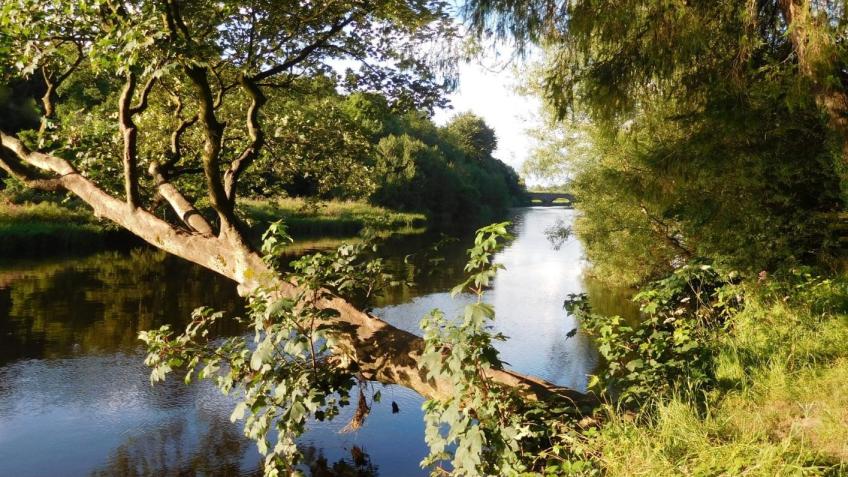
Ribble Rivers Trust is a Lancashire based charity working to improve the River Ribble and all its tributaries for both people and wildlife. Our team are in Clitheroe, a historic ancient market town at the heart of the Ribble Valley. For over 25 years we have been working with the people who live in this area as well as dozens of partner organisations to deliver river improvements across the entire Ribble catchment.
In the past, industrial and agricultural pollution as well as water abstraction for drinking water and poor sewage treatment have caused severe habitat damage to the Ribble catchment. Because of the extent of this the wildlife our rivers support are under threat. The Trust was established to improve the water environments of the catchment. Our goal is to restore and protect the river to make sure current and future generations can enjoy the beauty of its wildlife and fauna.
The Ribble river catchment covers an area of over 750 square miles and contains more than 3479 miles (5,600 kilometers) of watercourses. As well as the Ribble we look after the Calder, Hodder, Darwen, and Douglas sub-catchment. This means that we not only look after all these rivers, but all the rivers, streams, and becks that flow into them, as well as all the land that surrounds these rivers and streams!
Our approach to river conservation looks at four different factors: water quality, water quantity, habitat health, and habitat connectivity.
On paper, they’re all fairly straightforward needs. Water quality refers to clean, stable, and unpolluted waters whereas water quantity refers to water in abundance, but without any floods or droughts. Habitat health means habitats that are good free from pollution, protected from issues, and functioning naturally. Finally, habitat connectivity means that wildlife can move freely around the catchment to live, feed, and mate.
Each of these factors are linked to each other and are the foundations of a healthy rivers and well-functioning ecosystems. So, for example, a healthy habitat needs good water quality, and for habitats to be properly connected they need to have sufficient water quantity.
If there are any problems affecting these four factors, we can work towards our goal of healthy rivers.