Target reached!
Any additional money will be used to offer further training to veterans with the loc...
Any additional money will be used to offer further training to veterans with the loc...
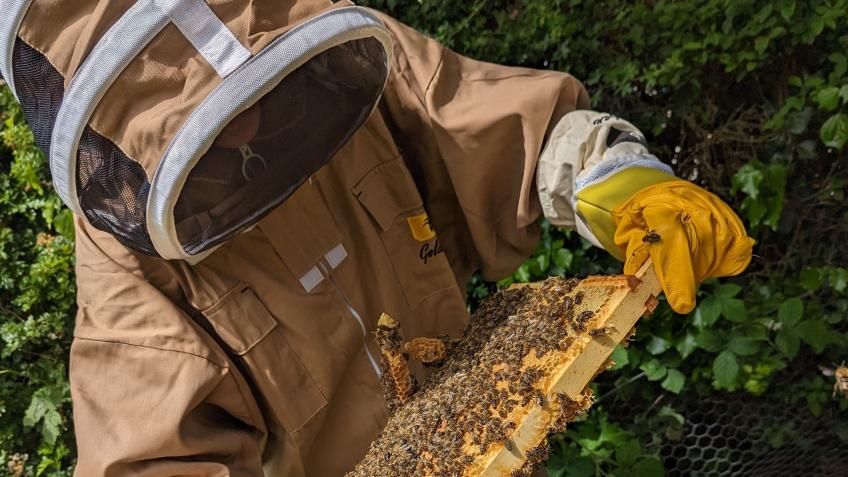
To train veterans in beekeeping as a form of nature-based therapy to help PTSD, and increase education and rewilding projects
Bees pollinate about 1/3 of world crops that provide a direct food source for humans. However, they indirectly help pollinate around 85% of the world’s crops that sustain human life.
There are more than 250 types of bee in the UK from bumblebee and mason bees, to honey bees and leafcutters. Unfortunately, the bee population has declined at an alarming rate over the past decade or so. This has prompted a significant number of bee types to be put on the endangered species list including the solitary Shrill Carder Bee, threatened by habitat loss, and the Bilberry bumblebee which is vulnerable to the hotter weather caused by climate change.
PATT Foundation understands the importance of our native pollinators and combatting climate change.
With this project, we are aiming to train like-minded veterans and/or service leavers to give them opportunities to work within conservation and gain the positive benefits working with bees has on their mental health. Keeping bees has countless benefits including to the environment: it has been found to reduce stress, ease anxiety and help treat PTSD in Armed Forces veterans.
Our veterans, bees and pollinators project aims to provide these benefits and opportunities to work with our amazing pollinators, gaining valuable training while supporting PTSD treatment. Once started, the project will then be led by veterans to produce and sell honey to provide further training opportunities for other veterans and allow the project to be self-sufficient over time.

Aviva Employee Giving provided £6,680 of match funding

Save Our Wild Isles Community Fund provided £780 of match funding

Solus Employee Giving provided £180 of match funding

My Climate Ready Plan Fund provided £5 of match funding
This project successfully funded on 4th October 2023