Always on
This project successfully funded on 20th October 2026, you can still support them with a donation.
This project successfully funded on 20th October 2026, you can still support them with a donation.
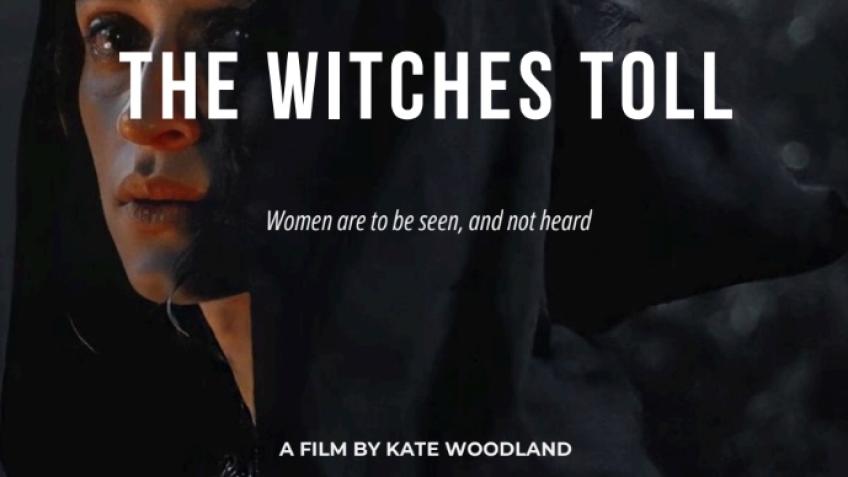
This film comes from an interest in the historical treatment of women, and how the label of “witch” was used not as truth, but to silence
I was drawn to the idea of reclaiming that narrative, not by rewriting history, but by shifting perspective. This film is not about whether witches are real, but about why women were made into them.
At its core, the film explores power, who holds it, how it is maintained, and what happens when it is no longer unquestioned. The men in this world are not misguided; they are aware. The accusations are deliberate, used to reinforce authority and suppress dissent. The horror comes from that awareness — from the comfort of cruelty within a system that promises no consequences.
Elspeth stands outside of that system. She is an outsider, foreign and unknowable, and her power does not come from force or defiance, but from stillness. She does not fight in the way we expect. She does not plead, resist, or perform innocence. Instead, she shifts the balance simply by existing beyond the rules that govern everyone else. In doing so, she becomes both an individual and a symbol, a presence that reflects the countless women who were denied a voice.
The prison walls are central to the film’s language. They represent the structures built to contain and silence, systems that appear solid, permanent, and unquestionable. As those walls begin to change, they become a record of what has been buried within them. When the men are finally consumed by the same structure they created, it is not an act of spectacle, but of inevitability. They are not destroyed, they are contained, silenced, and erased in the same way as the women before them.
The tone of the film is deliberately restrained. I was interested in a quiet, creeping form of horror — something that feels inevitable rather than explosive. The fear does not come from sudden violence, but from the slow realisation that something has already begun, and cannot be stopped.
The ending is intentionally unsettling and tragic. While the balance of power shifts, it comes too late for Elspeth. Her fate does not change. There is no escape, no catharsis, and no clean resolution. This was important to me because the histories that inspired this story do not offer resolution either. Justice, if it comes at all, does not restore what has been lost.
After watching The Witch’s Toll, I want the audience to sit with that discomfort. To feel the absence of closure. To question the systems that allowed such cruelty to exist. and to consider how those systems persist in different forms. The film does not offer answers. It offers a reckoning, and leaves the audience to decide what that means
Funding method
Keep what you raise – this project will receive all pledges made