Always on
This project successfully funded on 29th June 2026, you can still support them with a donation.
Crowdfunder is secure
Your payment details are protected
This project successfully funded on 29th June 2026, you can still support them with a donation.
Raising funds for specialist treatment, rehabilitation and recovery following a rare and severe late-effects, post cancer radiation injury.
Late Effects Radiation Injury - 10 Years After Cancer Treatment
Aim
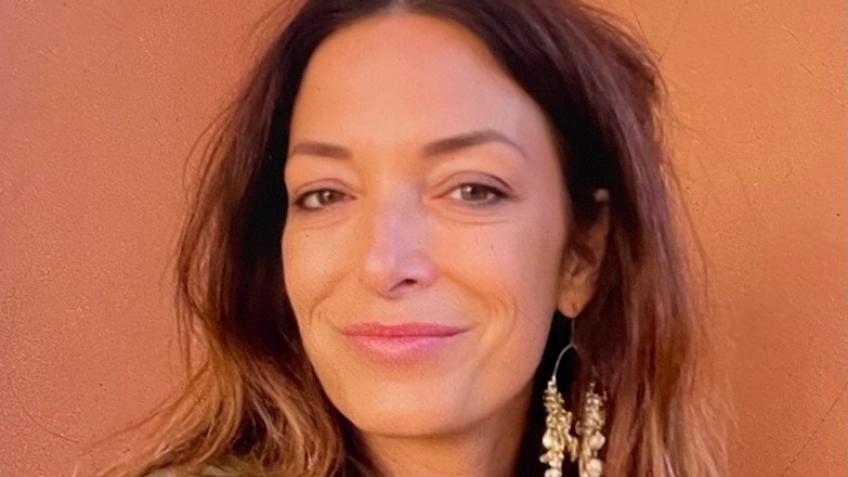
We’re raising funds to support Suki to access specialist treatment, rehabilitation and recovery following a challenging late-effects radiation injury complication from triple negative breast cancer treatment 10 years ago.
**Update – June 2026**
This fundraiser was originally created in March by Suki's close friends and initially shared privately amongst friends. The aim was simply to raise enough money for her to begin treatment.
Thanks to the incredible generosity of those who contributed, more than £7,000 was raised, allowing Suki to access treatment immediately.
Since this page was first created, we have learned much more about her condition and have updated the information below to reflect her current diagnosis, treatment plan and ongoing recovery needs.
We are incredibly grateful to everyone who has already supported the fundraiser and helped her begin treatment. Suki was blown away by the kindness and generosity and, after much persuasion, has agreed for the fundraiser to be made public so it can reach her wider community.
Backstory
Many of you know Suki as someone who overcame aggressive triple-negative breast cancer ten years ago and later used her recovery story to support and educate others. After spending years rebuilding her health, she retrained in breathwork, somatic therapy, coaching and wellness practices, leaving the corporate world behind to support people through their own challenges and transformations.
However, since December 2024, she has been navigating a serious health challenge of her own.
What has happened
In December 2024, the breast where Suki had cancer treatment ten years ago suddenly became inflamed, painful, and swollen. The symptoms closely resembled inflammatory breast cancer, resulting in a long and stressful period of scans, consultations, and concern for various cancer recurrences.
Recently it become clear that she is dealing with:
• Radiation-Induced Morphea (RIM)
• Breast lymphoedema
RIM is a rare, complex late complication of radiation treatment. It is an autoimmune and connective tissue condition that can appear many years after treatment. RIM begins with an inflammatory phase in the breast- affected tissue becomes red, painful, swollen and starts to harden and contract . If diagnosed early, intervention can help slow progression and limit long-term damage. Unfortunately, it was not identified soon enough and has progressed into a severe advanced sclerotic phase. The tissue is very inflamed, has become fibrotic, rock hard, shrunken and extremely difficult to reverse, creating many of the challenges she is now facing.
The fibrosis is no longer affecting only the breast tissue. It is impacting the surrounding chest wall, shoulder, rib cage, diaphragm, posture and overall mobility. This has caused secondary lymphoedema, creating additional complications.
At one stage a mastectomy was recommended to provide relief, but surgeons have since confirmed that a mastectomy is highly risky and completely out of the question; the irradiated tissue is too fragile, with a very high probability of complications, leaving her with a big surgical wound that would be unlikely to heal and cause tissue death.
This leaves Suki in a difficult position and the breast is very contracted and deformed and many clinicians have stated they have not seen a breast with radiation damage this severe.
The reality of living with this condition
A hard part of this journey is that much of it is invisible. Suki looks well. She continues to show up and does her best to maintain some normality. But the reality behind closed doors is very different.
She lives with chronic inflammation, daily pain and discomfort, restricted movement, fatigue and the emotional impact of navigating another serious health challenge. The breast has shrunk dramatically and now requires the use of a prosthesis to feel comfortable in public, whilst also needing to be careful of the fragile tissue. Sometimes the breast is too painful to wear a prothesis.
The Reality of Navigating Late Effects
Most difficult of all is the uncertainty and lack of medical support, knowledge and funding for late effects such as RIM. Recovery is an out-of-pocket full-time job. Between various rehabilitation appointments, travel, research and coordinating specialist care, there is very little capacity left for work to sustain income and pay for treatment.
This creates a difficult reality: healing requires time and rest, but also energy and financial resources, yet the condition itself has dramatically reduced her ability to generate income. Right now there is no clear timeline for when she will realistically be able to fully return to work in a sustainable way and she does not have a partner or a family support network to lean on. It's a lot for one person to navigate.
How RIM behaves
The body's repair mechanism is stuck in overdrive. In an attempt to heal severely damaged radiated tissue, an autoimmune response is continuously driving inflammation and excessive collagen production in her right breast. The switch that would normally tell this repair process to stop is stuck in the "on" position, causing a dramatic contraction.
Like a winch being tightened, the fibrotic tissue keeps pulling inwards, causing the breast to aggressively shrink and become solid, painful, and restricted. Over the past 18 months it has shrunk to around a third of its original size and is now a small B cup sitting high on the chest wall. Her healthy left breast remains a G cup, creating a huge physical imbalance that affects posture, movement, and comfort.
A breast reduction on the healthy side will be a necessity soon to protect the burden on her overall biomechanics and posture, create symmetry and to help her feel more comfortable in clothing, but the immediate priority is finding a solution to turn off the switch that has gone rogue and prevent further progression of the disease.
What happens if the condition continues to progress?
One of the reasons we are fundraising now is because this condition is not static.
The tissue is extremely fragile and reactive. A lot of care has to be taken to reduce the risk of minor triggers such as friction, pressure, physical treatment or inflammation elsewhere in the body that can provoke harsh inflammatory reactions. There is constant tightness and discomfort every day, but reactive flares are very intense and extremely painful and debilitating with strong pain medication required and can take days to settle, affecting every area of her life.
The damaged tissue has a reduced blood supply and impaired healing capacity, it is slower to recover and more vulnerable to complications. Untreated fibrosis can continue to progress and, in some cases, the breast could continue to shrink until completely flattened on the chest wall causing an immense amount of discomfort. As she is learning about this condition there is still a lot of uncertainty about how the condition will progress, making early intervention essential.
The lymphoedema carries its own challenges with trapped lymph fluid increasing tissue fragility and vulnerability to infection -this creates a high risk of developing cellulitis, which can become serious and lead to sepsis.
The effects are no longer limited to the breast itself. The severe contraction through the chest wall is pulling the shoulder forward, creating shoulder and back pain, reduced mobility and increasing strain throughout the body. These changes are exacerbating existing scoliosis and compounding a full-thickness hip labral tear (which will later require surgery) and pelvic tilt. What began as a breast radiation injury has become a wider musculoskeletal issue affecting comfort, mobility, strength and quality of life.
The psychological impact is significant too. Living with an unpredictable condition means constantly protecting the area from further injury or flare-ups, creating a sense of vulnerability and worry that affects how Suki carries herself, moves through the world and experiences everyday life.
Ten years after cancer-treatment-induced menopause, she is unable to take HRT, adding another layer of complexity to recovery, muscle maintenance, energy levels and overall resilience.
The Goal
The goal of treatment is to not only manage and improve symptoms. It is to calm the inflammatory process, reduce further fibrosis and shrinkage, preserve healthy tissue, regain proper mobility and give Suki the best possible chance of protecting her long-term health, independence, quality of life and return to the work she loves - being in service to others.
The challenge
Accessing specialist expertise in radiation late effects and treatment pathways for RIM has proved impossible via the NHS and there is no funding available for lymphoedema treatment. She has no insurance, as anything cancer-related is excluded from cover. As a result, Suki has spent relentless hours researching medical literature, exploring treatment options and coordinating her own care.
The last 18 months have been incredibly difficult. The uncertainty, relentless appointments and lack of treatment pathways have, not surprisingly, led to burnout. Which is why her friends have rallied around to support her.
The impact has hit hard financially as well as physically. Because there was much talk of major surgery, several retreats and client commitments had to be cancelled resulting in the loss of most of her expected income for the year.
Although a mastectomy is no longer an option, the financial impact remains. All of her time is focused on recovery and rehabilitation and finding solutions to reclaim her health. Research, treatments and specialists consultations all require time, energy and financial resources. At a point where her focus needs to be on healing, managing the condition has become a stressful full-time job.
Regenerative Treatments for Suki’s Recovery & Estimated Costs
Suki is incredibly determined to maximise her recovery and get back to a full and vibrant life. She didn't let cancer take her down 10 years ago and she's not about to let this take her down either. She must fill her own cup first with the help of her community and will no doubt be back sharing wisdom from her experience to help others, once she has recovered.
The treatment plan below is expected to take place over approximately 18 months to 2 years in phases. This pacing is intentional as treatment is physically and metabolically demanding.
Specialist Medical and Clinical Support
Access is needed to experienced specialists who understand complex radiation injuries, connective tissue disorders and late effects of cancer treatment. This includes specialist consultations, functional medicine support, advanced blood panels, IV's, monitoring, and diagnostics. Estimated cost: approximately £5,000–£7,000
Hyperbaric Oxygen Therapy (HBOT)
HBOT is an evidence-based, FDA-approved adjunctive treatment for radiation-induced tissue injury. By breathing 100% oxygen in a pressurised chamber, oxygen delivery to damaged tissue is significantly increased. This substantially improves circulation, stimulates healing, supports tissue repair, and reduces inflammation and can prevent tissue necrosis. This is a very important part of her recovery and is the very best immediately available option to help mitigate radiation injury. Chambers with a minimum of 2.0 ATA is required for radiation trauma. Estimated cost: approximately £6,500–£8,000
Specialist Manual Lymphatic Drainage (MLD) and Fascia Work
The lymphatic system plays a vital role in fluid balance, waste removal and immune function. Her pathways are compromised, so MLD and gentle breast facia work is required to help reduce swelling, support circulation, maintain tissue mobility and reduce infection risk. Estimated cost: approximately £4,000–£6,000
Specialist Oncology Rehabilitation and Physiotherapy
To maintain mobility through the chest wall, shoulder, ribs and spine, reduce further restriction and help prevent musculoskeletal complications worsening. Estimated cost: approximately £7,000–£9,000
Recommended Regenerative Therapies and Supportive Treatments
Because RIM is complex, flexibility is needed to pursue emerging treatment options and expert recommendations throughout the recovery process. We are researching platelet-rich plasma infusions, PEMF, phototherapy, stem cell and exosomes therapies. Estimated cost: approximately £4,500–£6,000
Some specialist care may require travel outside the local area or overseas and so these figures are approximate for an 18 month period.
Steps Already Taken
Thanks to the incredible £7,000 already raised -this has funded 40 Hyperbaric Oxygen Therapy sessions, together with regular specialist MLD and fascia work. These therapies have already produced encouraging improvements, reducing pain, redness and inflammation and providing the first real signs that the condition may be responsive to regenerative treatment. However, a radiation injury of this severity requires patience and recovery is measured incrementally over time. A longer course of HBOT, in the region of 100 sessions is required to give the tissue the best possible chance of remodelling, easing inflammation and preventing progression of RIM.
Our fundraising target has been raised to £25,000.
The bigger picture
To be completely transparent, the cost of achieving the best possible outcome is likely to exceed £50,000.
These figures relate to the next 12–18 months of treatment, rehabilitation and specialist support aimed at halting progression of the disease, preserving healthy tissue and improving mobility and quality of life, so our girl can feel good again.
We recognise that £50,000 is a significant amount of money and do not want people to feel overwhelmed by that figure. Our immediate goal is £25,000, which allows us to focus on the most urgent phase of treatment and recovery.
These are long-term conditions and once the first phase of recovery is complete, Suki will require ongoing maintenance therapies for the foreseeable future. Those maintenance costs are not included within these figures.
Anything raised beyond our target will simply allow access to more treatment, rehabilitation and support, giving Suki the best possible opportunity to rebuild her health. She did it once before and fully intends to do it again but this time with a little extra help from her friends and community. Because it does indeed take a village.
How you can help
As her friends, we stepped in because Suki is fiercely independent and would not feel comfortable asking for help. She has spent years supporting others through difficult periods and health journeys. Right now, it's time for us to support her.
If you feel able to contribute, it will make a meaningful difference. If you are unable to donate, simply sharing this page with your own network helps enormously. Suki has built a wide community over the years through her professional and holistic work, retreats, workshops, friendships and life overseas, and you never know who in your network may know her, have been touched by her work, or feel moved to help.
Most importantly, every contribution helps give Suki the best possible opportunity to stabilise this condition, protect her future health, regain her quality of life and return to doing the work she loves.
Thank you for being part of her community and recovery journey. ❤️
Funding method
Keep what you raise – this project will receive all pledges made