Always on
This project successfully funded on 12th February 2026, you can still support them with a donation.
This project successfully funded on 12th February 2026, you can still support them with a donation.
The Mountain Heritage Trust needs your help to secure the future of this internationally important archive of climbing and mountaineering.
For over a century, Britain's mountaineers have been pioneers on the world’s highest peaks, pushing into uncharted territory with little more than hemp ropes, hobnailed boots and extraordinary courage. They didn’t just climb mountains, they wrote the rulebook, laying the groundwork for modern climbing – from safety techniques to equipment design.

But the records and artefacts of these groundbreaking expeditions are at risk. Original maps, expedition journals, photographs, and gear that tell the story of how humans learned to survive and succeed in the world's most extreme environments are under threat.
It has been 25 years since The Mountain Heritage Trust was set up to preserve these irreplaceable artefacts and stories. Now the MHT needs your help to protect, share and engage with the archive.
Image: Some items from the MHT handling collection.
This is your history, and your support helps us safeguard this internationally important collection ensuring that the knowledge, courage, and innovations of Britain's mountaineering pioneers remain accessible to climbers, researchers, and adventurers for generations to come.
ABOUT US.
Founded by Chris Bonington, John Innerdale, Lord Roger Chorley, Audrey Salkeld, James Smith and John Porter, the Mountain Heritage Trust houses a collection of the most significant historical material on climbing and mountaineering in the world. For 25 years this incredible collection has been celebrating the work and endeavours of British men and women in the mountains, both in the UK and abroad. Our mission is to protect, preserve and share this rich part of our national heritage so it can be enjoyed by future generations.
WE NEED YOU!
As we celebrate our 25th anniversary we want to secure the trust’s future for another 25 years. Therefore, we are looking to raise £25,000 to cover the cost of maintaining and future proofing the archive.
Image: Volunteers process Jim Curran's slide collection.
Our collection is extensive and includes exceptional artefacts such as 40,000 slides donated by the families of pioneering mountaineers Peter Boardman and Joe Tasker.
Boardman and Tasker rank among the great climbing partnerships in British mountaineering history, alongside Mallory and Irvine, Shipton and Tilman, Hillary and Tenzing. From their groundbreaking 1976 ascent of Changabang's west face until their deaths on Everest in 1982, they pioneered a new style of Himalayan climbing: lightweight, bold, and committed.
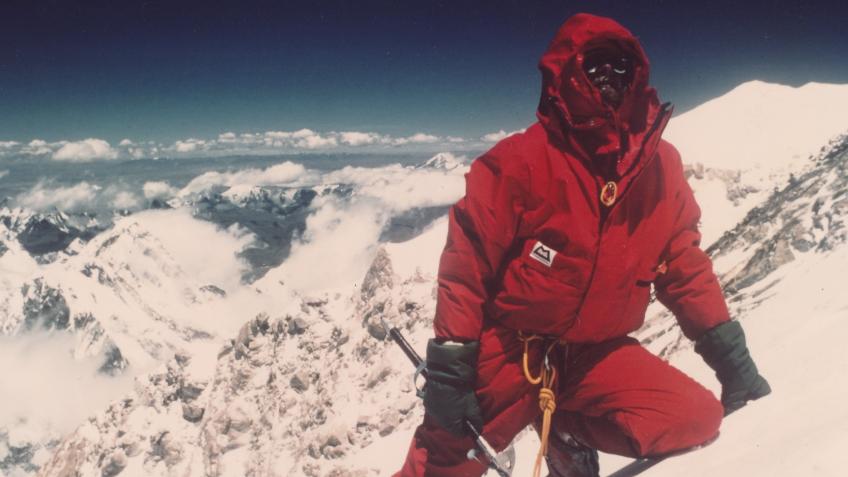
Image: 1979 Kangchenjunga © Doug Halston.
The archive also holds papers and photographs from influential mountaineering writer and publisher Ken Wilson, alongside an impressive collection of papers, technical drawings and scale models from DR Climbing Walls—a legacy from Don Robinson (DR), creator of the first indoor climbing wall.
To secure the future of the collection and the MHT we need your help to PROTECT, SHARE AND ENGAGE with these valuable items.
It’s vital that the Mountain Heritage Trust archive is well managed and maintained to the highest professional standards. The collections are housed in a climate-controlled building to provide optimum conditions for preserving delicate material. Heating and humidity are carefully controlled, and we have alarms installed in case of flooding and fire. To continue to maintain this collection and keep it in the very best condition possible the trust needs funds to cover rent and utilities. It also requires the services of an experienced collections manager. This role is vital to the ongoing preservation and stewardship of the archive.
Image: Letter from Neil Mather to his father, post-marked Camp V, 25,300 during the first ascent of Kangchenjunga 1955.
Digitisation of the archive will make our mountain heritage readily available and easily accessible to everyone. As well as providing useful references for teams carrying out their own expeditions, young people in schools, writers and researchers are just some of the groups that will benefit from being able to access this collection. Digitization also protects the collection for future generations and serves as vital backup protection if the original physical items are ever damaged or lost. In total, we estimate we have around 90,000 items in the archive. Full digitisation of these items is a massive project, so we want your help to get the ball rolling and digitise 10,000 slides from our archive.
The Mountain Heritage Trust actively seeks opportunities to share the collection with the public through exhibitions and events. We are currently identifying venues for both temporary and permanent displays to make these materials accessible to wider audiences. As one example, we are planning an exhibition using collection items to mark the 200th anniversary of the first ascent of Pillar Rock in the Lake District in summer 2026. Documenting the history of the men and women who became trailblazers in mountaineering, this commemoration of a milestone in British climbing history will be an important step in bringing the Mountain Heritage Trust back into public awareness.
Image: Slab and Rock route on Pillar Rock. © unknown
In the last 2 years we have also worked with Mountain Training, sharing the collection at events and on rock climbing courses.
We also plan to produce a series of podcasts to keep the public informed about the collection and any significant events that relate to it. Extra funding would also enable us to expand our volunteer network, which is vital for public outreach and asset sharing.
This is your opportunity to be part of something truly special. Together investing in the future of MHT will help protect our important mountain heritage, enable us to share it more widely while engaging and reaching a broader audience about the stories that are part of their history.
Funding method
Keep what you raise – this project will receive all pledges made