Always on
This project successfully funded on 10th July 2026, you can still support them with a donation.
Crowdfunder is secure
Your payment details are protected
This project successfully funded on 10th July 2026, you can still support them with a donation.
THANK YOU! THANK YOU! THANK YOU! We have been bowled over by the incredible support ...
To support the reintroduction of Corncrakes to the Lower Derwent Valley and surrounding area as part of establishing an English population.
Who are we, and what is our project about?
The Friends of the Lower Derwent Valley (est. 2015) support the conservation, scientific research and enjoyment of the Lower Derwent Valley and the surrounding area. Using a robust evidence base from bird tracking studies they target effective actions on the ground for the conservation of the site and to deliver wider nature recovery benefits in the area. In the past this has included land acquisition and management, provision of Sand Martin banks, Common Tern rafts and Barn Owl box projects, wild bird crops, new reedbeds and projects to upgrade access and viewing facilities for wider enjoyment.
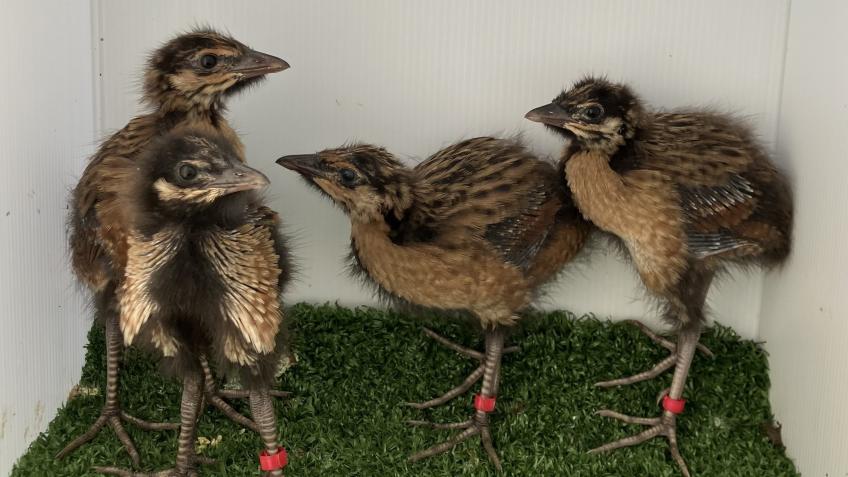
The Lower Derwent Valley is the only site regularly attracting Corncrakes annually in England and this reintroduction project, delivered in partnership with Deepdale Conservation Trust, Carstairs Countryside Trust and Natural England, aims to establish an increased and self-sustaining population of this threatened species. The project will continue for the next three years through the release of parent-reared chicks, land purchase and further targeted management.
Not only will this be a precursor to a more widespread Corncrake recovery in England, but it will also give people the opportunity to hear this iconic species here in Yorkshire and act as a key flagship species for floodplain meadow conservation in and around the reserve. Good early and late season cover, targeted hay cutting actions and bird-friendly mowing will benefit a whole range of other Ings wildlife, from breeding Curlew and other waders to species like Quail, Corn Bunting, Reed Bunting and Yellow Wagtail, and small mammals like Harvest Mice. We are hopeful that the Corncrake reintroduction will be a driver for wider nature recovery and climate change adaptation throughout the local area, working with land managers, local farmers, local schools and communities.
Why are we crowdfunding?
The Friends of the LDV was set up in 2015 to help further drive nature recovery in the area through evidence led research, land purchase and management and by providing "on the ground" conservation projects. The four trustees are supported by a team of dedicated and inspirational volunteers, who have (through their considerable hard work) raised money and invested it in the area to benefit various species and habitats and to enable the engagement of local communities and visitors. Acquiring land and land management requires significant cash reserves raised by log sales, sales of books, cards, calendars and other goods, giving talks and applying for grants. Significant resources, both time and cash have been invested in the first year of the Corncrake project and this additional funding will help us grow the local community engagement element of the project and the opportunities that present themselves through working with such an iconic species. This in turn will increase the profile of the reserve, the area and the Friends to help unlock further nationally significant projects in the future.
How we’ll spend the money raised
The money raised will be used to support the project specifically in relation to:
1 - Working with local schools to raise awareness of Corncrakes in the local area, and conservation and reintroduction schemes in general, and to develop a children's book on Corncrake conservation.
2 - To support the provision of tags in order to track the birds on their annual migration following release into the Lower Derwent Valley, this will help us measure the outcomes and success of the project as well as providing evidence to protect the birds on their flyways. The information gained will also be used to tell the story of these incredible birds and their migration to and from their wintering areas as part of our community engagement related to this work.
3 - Help deliver further engagement work with local communities to bring greater nature recovery benefits outside the boundaries of the NNR where floodplain meadows and other suitable habitat for some of the species listed above exist.
4 - Help fund additional construction of pre-release pens around the Lower Derwent Valley to give the project the best chance of success and establishing a self-sustaining population.
How you can help
There are three simple ways to get involved and support our project:
1. Make a donation.
Every pledge gets us closer to our goal. Early support can help build momentum and inspire others to give too. The money raised is spent "on the ground" helping to improve the habitat of the Ings and surrounding area for Corncrakes and a whole range of other wildlife. It also allows us to monitor the population and to listen out for returning males. The tracking of both wild and released individuals will ensure the project is working and give it the best overall chance of success in establishing a self-sustaining population in the coming years. Although we have set a target the more we can raise the more benefits we can deliver across the range of activities listed
2. Spread the word.
Share our project with friends, family and your wider network. The more people we reach, the more likely we are to succeed, delivering for both wildlife and people who can enjoy the site.
3. Volunteer with us.
If you’d like to get involved, we’d love to hear from you. Please get in touch through the ‘contact’ section using the subject "I want to volunteer my time or expertise" on our project page. This could include: listening out for and reporting birds returning to the area, helping our dedicated team of volunteers in constructing pens, carrying out habitat management work and helping in our scientific monitoring work.


Communities Fund Employee Giving has provided £5,720 of match funding

Communities Fund has provided £4,575 of match funding
Funding method
Keep what you raise – this project will receive all pledges made