Kawaii coloring pages to print for kids at DDC123
Italy
Aim
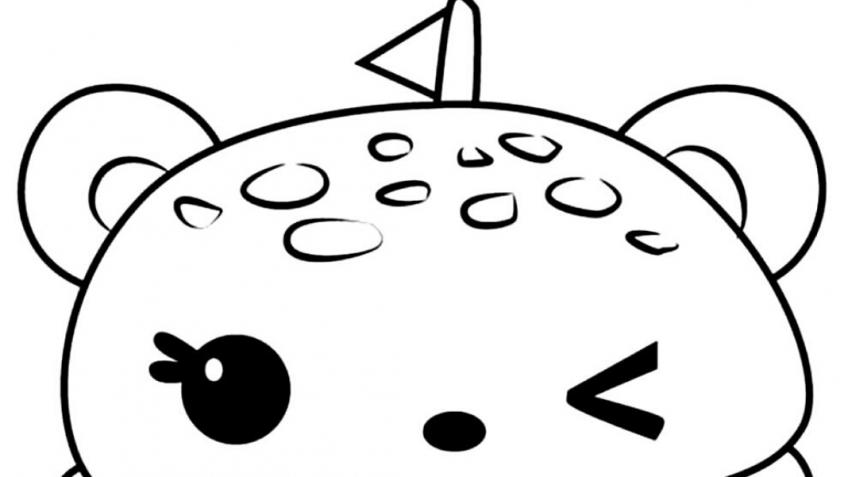
Here you have the best Kawaii drawingsKawaii Drawings To Color, Kawaii Drawings To Paint, Kawaii Drawings To Print.Kawaii (可愛 い?) Is a...
Here you have the best Kawaii drawings
Kawaii Drawings To Color, Kawaii Drawings To Paint, Kawaii Drawings To Print.
Kawaii (可愛 い?) Is a Japanese adjective meaning "cute" or "cute".
In Japanese culture, the concept of tenderness is used on many occasions, however, in the West, many of them seem strange to us. For example, in Japan kawaii is also used in official government communications, corporate environments, military advertising, transportation, etc. At first, the term kawaii was only used to describe the cuteness of a child or animal, elements that are considered "authentically kawaii". But, nowadays, it is used applied to all kinds of things that become adorable. drawingskawaii Not only do they represent children and pets, there are also rare, hard to define kawaii characters, such as Pikachu. The kawaii phenomenon was first introduced in the 1960s, with the Hello Kitty character in the 1980s reaching the pinnacle of popularity. Download and print kawaii coloring pages for kids on DDC123: Disegni Kawaii Da Colorare
Dive into the kawaii world
Kawaii drawings transform any character, animal, person or object into something close, human, which awakens feelings of tenderness. THEkawaii coloring pages they make things lose the intrinsic coldness they might have and abandon immateriality, transforming themselves into something close, affectionate, attractive and loved.
In terms of morphology, kawaii drawings can be of various types, for example the faces of kawaii characters can have large eyes with brushstrokes or flashes of light that make them more tender and expressive or they can also be very small since the characters seem more infantile or more fragile.
The heads of the kawaii drawings are created disproportionate to the normal proportions of nature, this makes them incorporate a great dramatic charge, they are different and convey an aura of fantasy and magic that undoubtedly captures our attention much better.
Cute kawaii drawings to print, paint and draw.
We propose you to make the entire collection of kawaii drawings we have. Print them all and paint and color as you like, you will see what a great art exhibition you can set up at your home, at school or even in the office. Kawaii coloring pages can completely change and become different if you paint them with different colors. And if you also glue glitter and colored magic powder on the paper, you will get real works of art. Try to see!
History of kawaii culture and its dissemination in the world
And now ... a little history to better understand the kawaii phenomenon that emerged in Japan with the appearance of plush toys.
Around 1967, the Rika-chan doll appeared on the Japanese market, the cute appearance of which attracted the attention of girls. This term is used today in Japanese popular culture and in the entertainment, fashion, food, toy, etc. industries.
Nameneko appeared in the 1980s and they were cats dressed as biker gang thugs.
Around 1983 and 1984, the essence of kawaii began to have greater acceptance, especially in women's magazines, but quickly in men's magazines as well.
Also in the 80s, one of the main kawaii icons, such as Hello Kitty, from the Sanrio company, gains momentum. Hello Kitty is a kitten that was created in 1974. Around 1980 it reinvented itself by changing its design, with the help from the suggestions of the girls and girls who were the main customers. She was drawn without the thick lines to give her a softer look and her pose was changed. Around 1985, Hello Kitty appeared hugging a teddy bear and enjoying great success. In the years that followed, customers demanded a more mature look for the kitty, with a black and white version appearing, indicating that Hello Kitty fans have remained loyal over time.
From the experience of Hello Kitty, kawaii acquired a more important commercial connotation during the rest of the 1980s. Companies began to create products with designs that somehow had a certain degree of sweetness and charm. It didn't matter what kind of product, toys, electronics or even cars. For example, in 1987 the Nissan Be-1 was launched, which had excellent sales thanks to its kawaii aesthetic, with a curvy appearance.
In the 1990s an interesting change occurred, companies that had products with kawaii features ran out of ideas and kawaii would be taken over by otaku (people who are fans of anime, video games and idols and bands). For otaku, anything considered kawaii quickly becomes a trend followed by all otaku. Within the otaku culture, what is kawaii has been redefined. To an ordinary person it can simply mean something "funny" something an otaku describes as "kawaii".
However, this universe has continued to develop and describe something that can commonly be considered kawaii (cute), an otaku now describes it with another more recent term: Moé. Moe (萌 え) also moé, literally 'sprout'. Describe the euphoria that inspires an animated character or musical idols. This euphoria generates a feeling of appreciation, in contrast to the feeling of relaxation, simplicity and tenderness that something traditionally kawaii causes. As it expresses its literal meaning, lo moé expresses a feeling of adoration that "comes from within", it can be said that it is something more intellectual.
The perception of kawaii has had a presence in Japan in recent years in all sectors of society, including the government of the nation. In 2006, Prime Minister Shinzō Abe, at the time of his inauguration, described his vision of Japan as "a beautiful country" through four fundamental principles, one of which was to value its culture and traditions, its environment and its history.
On February 26, 2009, the Japanese Ministry of Foreign Affairs appointed three representatives of Japanese popular culture as "Kawaii Ambassadors" with the important mission of spreading this trend around the world. The ambassadors were a Lolita fashion representative, a Harajuku fashion representative and a Japanese school fashion representative.
This project closed unsuccessfully on 18th March 2022